Cricket Fans Guide to Bonuses and Promotions with Licensed

Making a battery bet on BateryBet is straightforward for Indian fans, with attractive odds on cricket and over 12,000 casino games. This site holds a valid Curaçao gambling license, supporting a safe betting experience. It also offers a 200% welcome bonus (up to ₹25,000) for new members. Register now to access strong odds and exciting games.

Making a battery bet on BateryBet is straightforward for Indian fans, with attractive odds on cricket and over 12,000 casino games. This site holds a valid Curaçao gambling license, supporting a safe betting experience. It also offers a 200% welcome bonus (up to ₹25,000) for new members. Register now to access strong odds and exciting games.

Now IndiGo ‘forgets’ to offload baggage fully at Singapore; flight returns to Changi after taking off for India

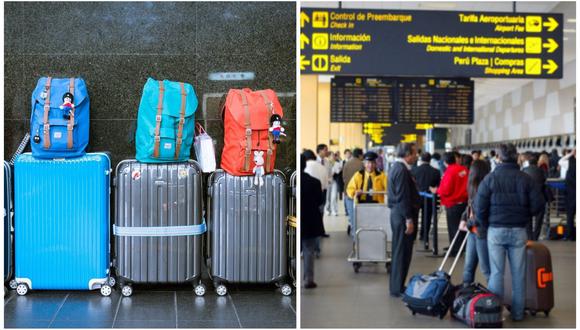
IndiGo, the largest domestic airline in India, has experienced yet another incident of mishandled baggage. Following the recent incident where a couple was forgotten at Istanbul, the airline now faced a situation where the baggage was not fully offloaded from an international flight, causing the aircraft to return to Singapore shortly after taking off for Bengaluru.

The incident occurred on Wednesday morning when flight 6E-1006 departed from Singapore for Bengaluru. However, since all the luggage that was on the aircraft when it flew to Singapore had not been offloaded before it departed for India, the plane had to turn back to Singapore.

Passenger Arvin Sahni expressed his frustration on Twitter, stating, “Congratulations on achieving the impossible. Singapore-Bengaluru flight at 5.40 am made to turn back coz you guys forgot to offload luggage from incoming flight.”

IndiGo released a statement acknowledging the baggage error and attributing it to their service partner at Singapore airport. They apologized for the inconvenience caused to the passengers and assured that they were kept informed of the delay and provided with refreshments.

Flight tracking websites revealed that 6E-1006 departed from Singapore Changi at 5.35 am and returned to Singapore at 6.57 am. The Airbus A321neo eventually departed again from Changi at 10.12 am and arrived in Bengaluru four hours later at 11.44 am.

Another passenger, Anjlin Sahni, criticized the mismanagement at Singapore airport and highlighted the sleep-deprived passengers who were now facing further harassment due to the mix-up of baggage from different flights.

IndiGo, which operates nearly 2,000 daily flights, holds a significant position in the Indian aviation market, flying the largest number of passengers in and out of the country.

ST Telemedia GDC India to increase its capacity twofold within the next four years

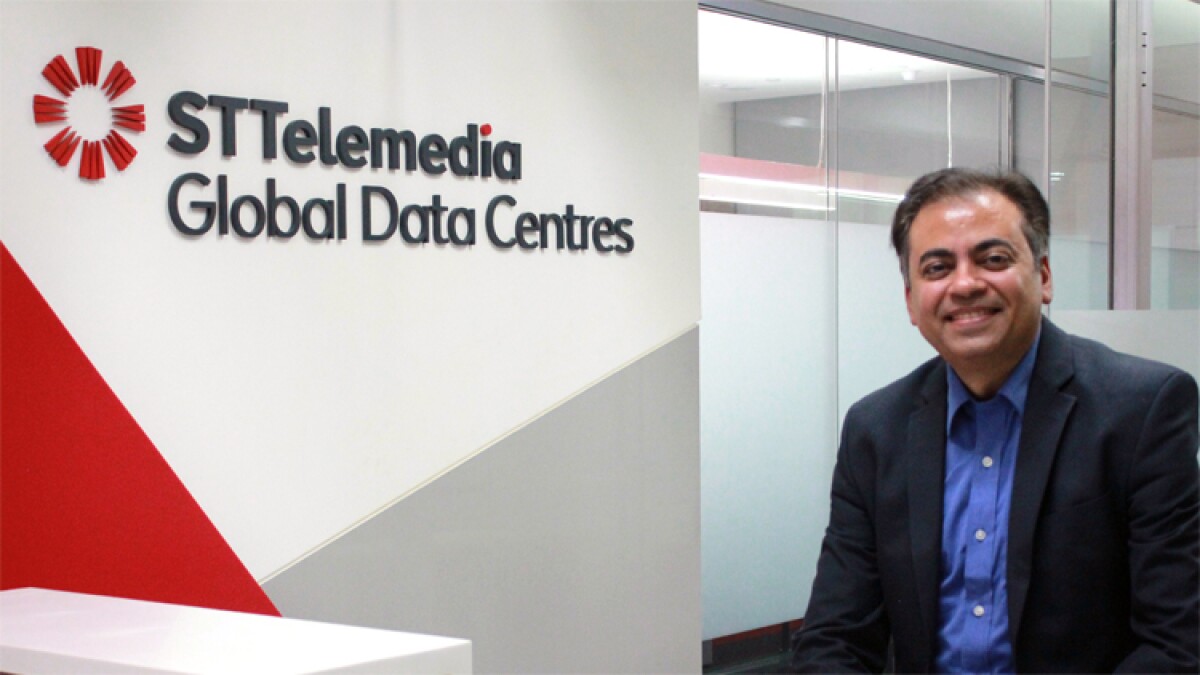
ST Telemedia GDC India, a co-location data center service provider, is currently exploring opportunities to expand its presence in key tier-2 cities. In addition to this, the company has plans to invest in order to double its capacities every four to five years.

Sumit Mukhija, the Chief Executive Officer of ST Telemedia GDC India, predicts a robust 30% compound annual growth rate (CAGR) for India’s cloud market in the next 5-7 years. This growth will be mainly driven by the increasing demand for AI applications. Projections for 2030 indicate that India’s data center capacity will reach an impressive 3000MW, highlighting the vast and expanding market for data center services in the country.

Mukhija stated, “Since 2016, STT GDC India has experienced significant growth in revenue, profitability, capacity, and maturity. We currently manage over 300MW of critical IT load across 27 facilities in nine Indian cities, including Mumbai, Pune, Delhi, and Chennai. Notably, our campuses in Chennai, Pune, Mumbai, and Noida are the largest, each with a capacity of over 100MW of IT load.”

STT GDC India is primarily owned by ST Telemedia Global Data Centres, headquartered in Singapore. Tata Communications also holds a notable minority share in the company. The genesis of ST Telemedia GDC India can be traced back to the early 2000s when it operated as a business line under Tata Communications. In 2014, it gained independence and functioned as a separate entity. In 2016, ST Telemedia Global Data Centres acquired a controlling interest in the company.

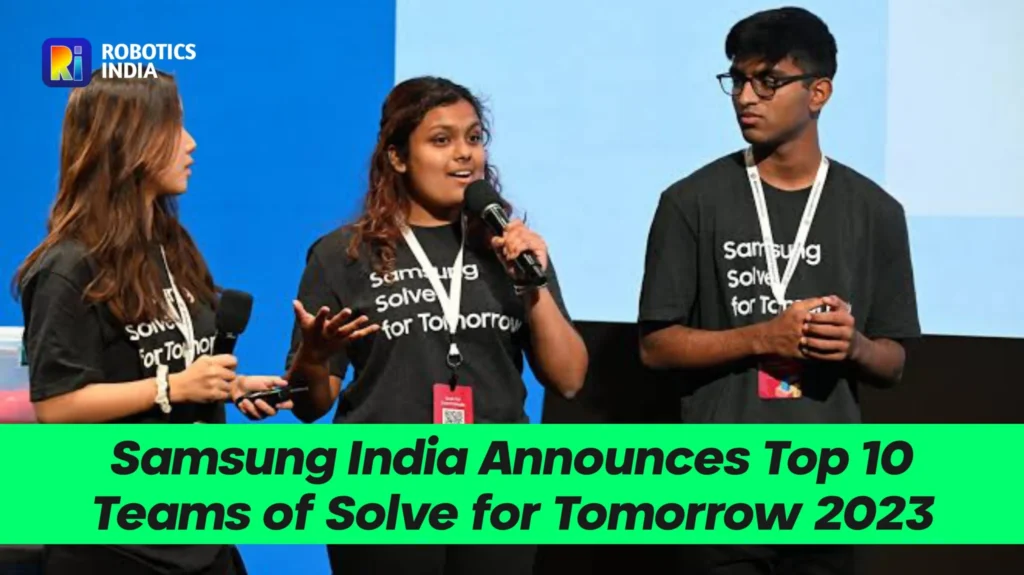
Samsung India announces the top three winning teams of Solve for Tomorrow 2023: All details

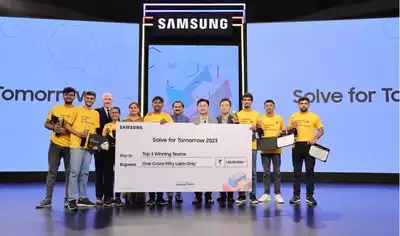
Samsung India has announced the top three winning teams of its youth education and innovation competition, Solve for Tomorrow 2023.

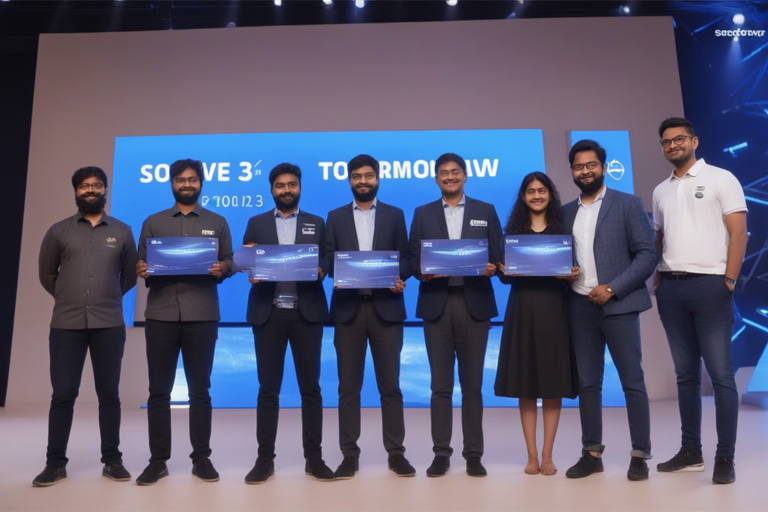
The first winning team is NIT Surat, which has created an automated beach-cleaning robot called Sweep. The second winning team is Stemly, which has developed a conversational AI tool to assist women in choosing STEM fields. The third winning team is Think, which has built a personal cooling device called ‘Kavach’ for individuals who work outdoors. These three teams were awarded a total prize money of Rs 1.5 crore to further develop their ideas and bring them to life.

In addition to the prize money, the winning teams received certificates and trophies that represent the spirit of innovation embodied by the program. All members of the top 10 teams also received certificates from Samsung, IIT Delhi, and MeitY Startup Hub. Furthermore, they were given Samsung’s latest flagship smartphone, the Galaxy Z Flip5, along with a cash prize of Rs 100,000.

JB Park, President & CEO of Samsung Southwest Asia, expressed his belief in the power of youth to think creatively and innovate. He stated that Samsung Solve for Tomorrow provides a platform to nurture this kind of thinking, and he commended the young innovators for their ambition to make a positive impact on the world and transform people’s lives. Park congratulated all the winners of Solve for Tomorrow 2023 and wished them success on their exciting future endeavors. He emphasized Samsung’s belief that these young innovators have the potential to greatly contribute to India’s growth story.

The three winning teams were selected after a Grand Finale event held in New Delhi. During the event, the top 10 teams presented their final pitches and showcased their prototypes to the Grand Jury, which consisted of Mr. Mohan Rao Goli, Chief Technology Officer at Samsung R&D Institute in Bangalore; Mr. Shombi Sharp, United Nations Resident Coordinator in India; and Dr. Archana Chugh, Professor at the Kusuma School of Biological Sciences, IIT Delhi.

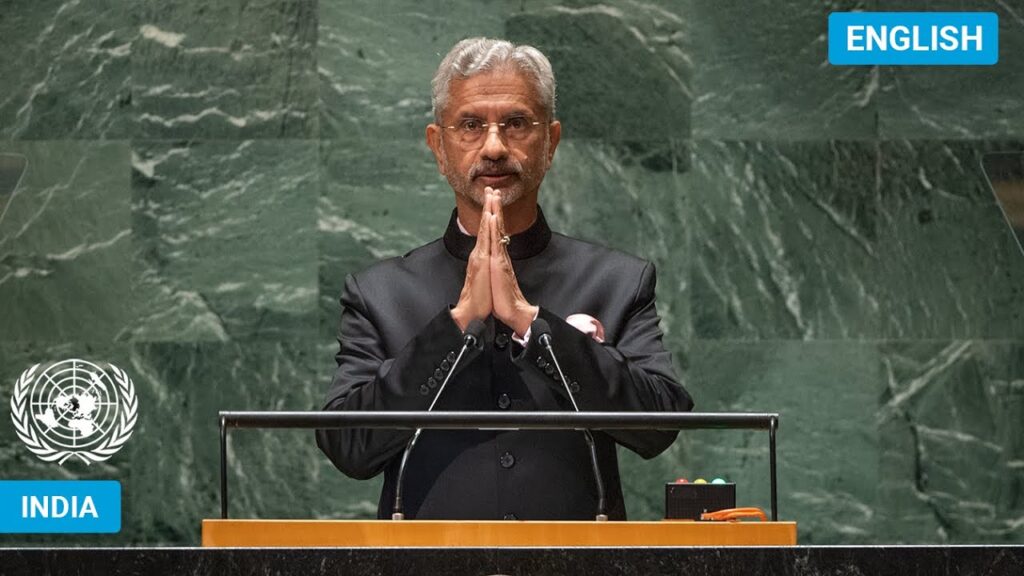
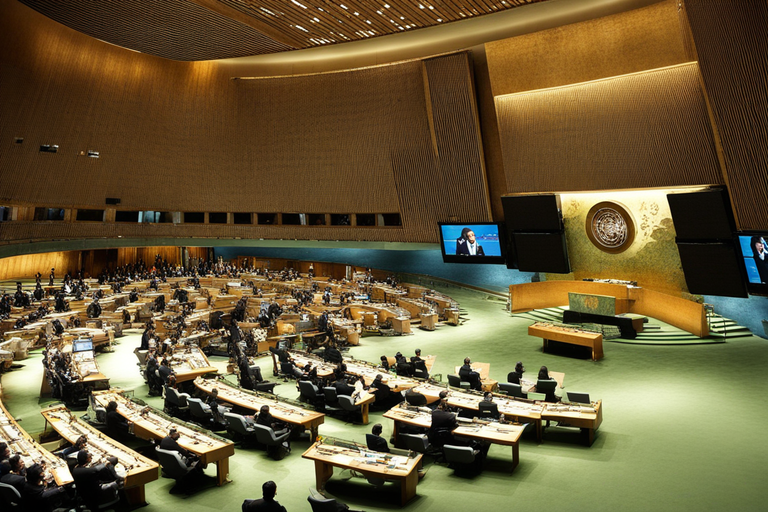
Jai ho! India goes ‘Bharat’ at UN

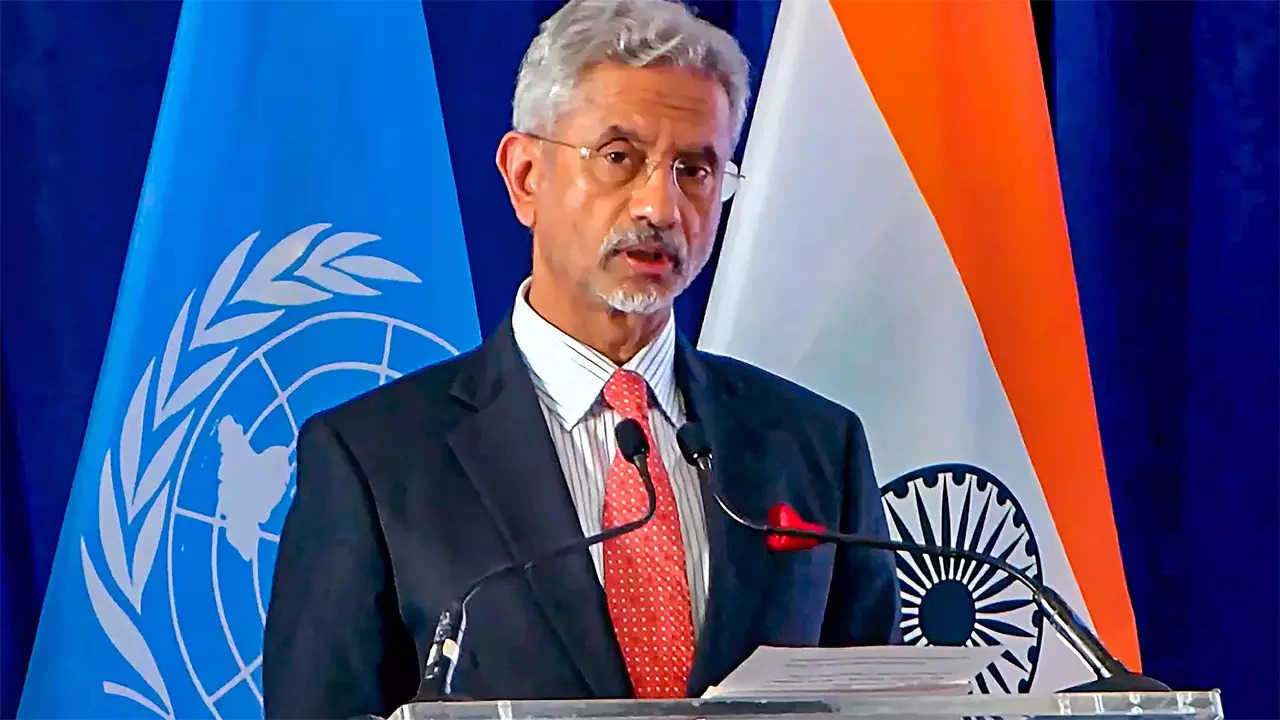
New Delhi, also known as Nayi Dilli or Indraprastha, made a significant cultural statement at the United Nations on Tuesday, starting with the greeting “Namaste from Bharat” and ending with a reference to “India that is Bharat.”

However, it’s important to note that the name India was not forgotten. External affairs minister S. Jaishankar mentioned India more than a dozen times in his speech at the UN General Assembly. He emphasized that India has much to share and highlighted India’s initiatives.

Despite the mention of India, there was a clear presence of Sanskrit and universal influence in Jaishankar’s remarks. He spoke of India’s transformation from non-alignment to becoming a Vishwa Mitra, a friend to the world. He also mentioned India’s entry into the period of “Amrit Kaal,” a quarter century that holds the promise of greater progress and transformation.

In his concise yet extensive speech, Jaishankar expressed India’s global aspirations and responsibilities, purposefully avoiding any references to Pakistan and China, which are typically contentious topics.

“Our vision of ‘One Earth, One Family, One Future’ aims to address the concerns of the many, not just the narrow interests of a few… The international order is diverse, and we must accommodate differences, if not resolve them. The days when a few nations dictated the agenda are over,” Jaishankar asserted.

He emphasized that he represents a society where the ancient traditions of democracy have successfully integrated with modern values. As a result, India’s thinking, approaches, and actions are now more deeply rooted and authentic. India, as a civilizational polity, embraces both tradition and technology with equal confidence. This fusion is what defines India, or Bharat, today.

In conclusion, New Delhi conveyed a powerful message at the United Nations, highlighting India’s cultural heritage, global aspirations, and commitment to inclusivity and progress.

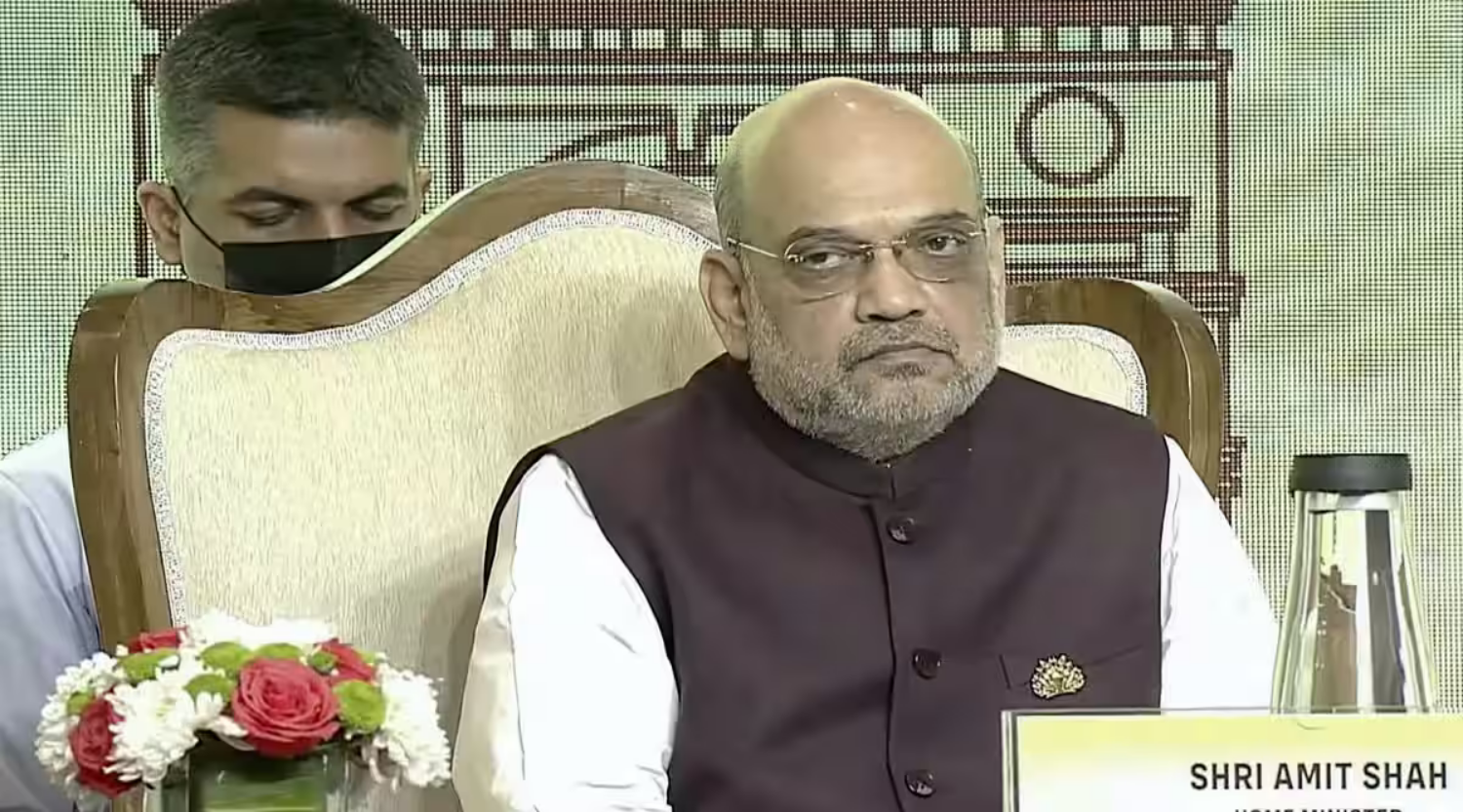
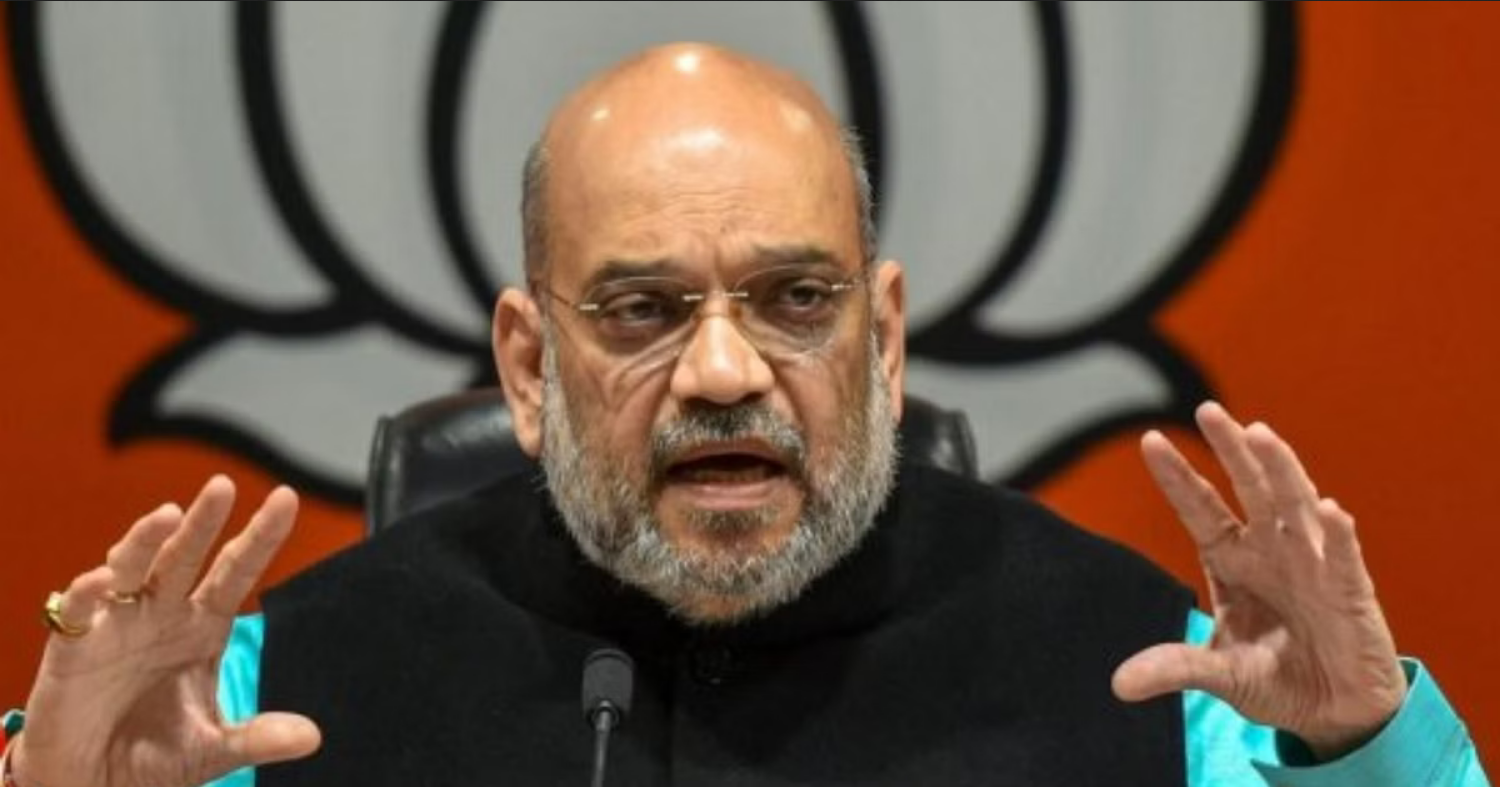
Terror financing, shift to metaverse, virtual assets cause for concern: Amit Shah

On Friday, Union Home Minister Amit Shah asserted that India has been a target of terrorism originating from across its borders, and he expressed concern about certain countries providing protection and refuge to terrorists. Speaking at the third “No Money for Terror” (NMFT) conference, Shah urged the international community to recognize the threats arising from the recent regime change in Afghanistan, drawing parallels to the situation that led to the 9/11 attacks. While emphasizing that terrorism is not tied to any particular religion, nationality, or group, Shah stated that it poses the most significant threat to global peace.

Without explicitly naming Pakistan, Shah suggested that some nations undermine collective efforts to combat terrorism by harboring and shielding terrorists. He stressed that protecting a terrorist is tantamount to promoting terrorism, emphasizing the collective responsibility to prevent such elements from succeeding in their intentions.

The NMFT conference, with representatives from 72 countries and 15 international organizations, became a platform for Shah to address the evolving security challenges in the South Asian region, particularly with the changing dynamics in Afghanistan post-August 2021. Shah highlighted the significant challenge posed by the growing influence of Al Qaeda and ISIS, making the issue of terror financing more critical.

Shah called for coordinated global efforts to combat the threats arising from emerging technologies employed by terrorists. He emphasized the need to understand and address the patterns of Darknet activities and the use of virtual assets like cryptocurrency by terrorists. Shah noted that financing terrorism is more dangerous than terrorism itself, weakening the economies of affected countries.

In his opening remarks, Shah condemned terrorism in all its forms but acknowledged its evolving nature due to technological advancements. He called for a collective strategy to confront the changing face of terrorism, from traditional methods to modern weapons and information technology.

Shah also held discussions with Bangladesh Home Minister Asaduzzaman Khan on the sidelines of the conference, addressing border management and shared security concerns. Additionally, he raised concerns about attacks on minorities and temples in Bangladesh.

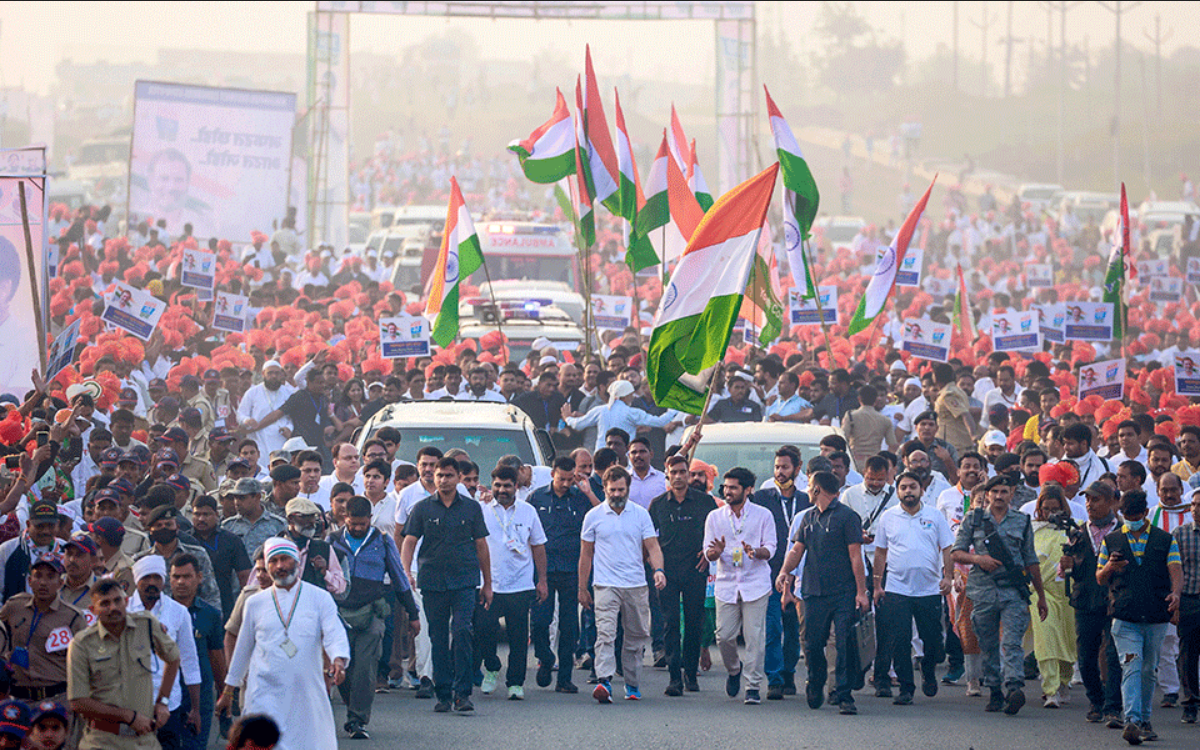
Letter threatens bomb blasts in Indore if Bharat Jodo Yatra participants stay at city stadium; probe launched

A shop in Indore, Madhya Pradesh, has received a threatening letter warning of potential bomb blasts in the city if participants of the Bharat Jodo Yatra, led by Rahul Gandhi, proceed with their scheduled overnight stay at a local stadium on November 28. In response, the police have initiated an investigation into the matter, treating it as a potential hoax threat. The Commissioner of Police, H C Mishra, stated that the letter, received by a sweet-snacks shop in the Juni area of the city, does not explicitly mention targeting Rahul Gandhi with the bomb.

An FIR under section 507 of the Indian Penal Code, which pertains to criminal intimidation by an unknown person, has been registered in connection with the threat letter. Commissioner Mishra indicated that the police are actively looking into the matter but suspect it may be the work of mischievous elements.

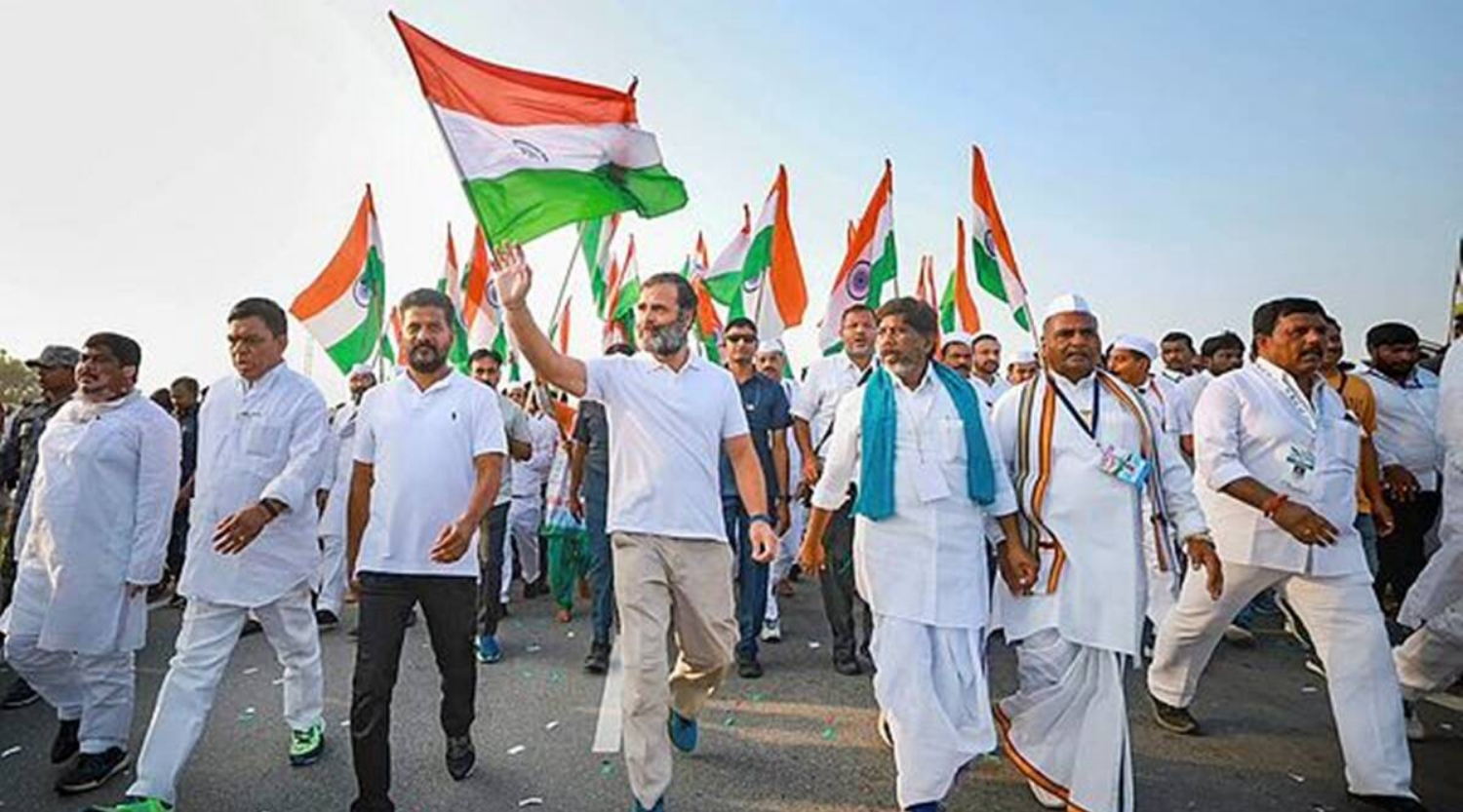
State Congress Secretary Nilabh Shukla has called for a thorough investigation into the letter and emphasized the need to enhance security measures for the Bharat Jodo Yatra. The foot march, currently progressing through Maharashtra, is scheduled to enter Madhya Pradesh on November 20.

SC refuses to entertain pleas on two-child norm for controlling population

On Friday, the Supreme Court declined to entertain a series of petitions, including one advocating for the implementation of a two-child policy to address the escalating population, asserting that this matter falls within the purview of the government. The court, led by Justices S K Kaul and A S Oka, pointed to media reports indicating India’s population stabilizing despite increased births, deeming it an issue not warranting the court’s intervention.

The bench, orally observing that population growth is not something that abruptly stops, rejected pleas presented by various petitioners, including Ashwini Kumar Upadhyay. Upadhyay had filed a petition challenging a Delhi High Court order that dismissed his plea for measures, including a two-child norm, to curb population growth.

Despite Upadhyay’s emphasis on the importance of a Law Commission report on the matter, the Supreme Court, expressing reluctance to delve into legislative matters, rejected the petitions. Upadhyay subsequently withdrew his plea, and other petitioners followed suit upon the court’s disinterest.

The bench questioned the feasibility of enacting legislation and emphasized that the issue of a two-child norm pertains to the government’s domain. It dismissed the idea of the Law Commission preparing a report on population explosion, stating that it was beyond the court’s purview due to the involvement of complex social and family dynamics.

The court maintained that addressing the two-child norm and related issues falls under the government’s jurisdiction, stating that interference by the court is not warranted. It conveyed that the court has other priorities and should not be involved in matters best addressed by the government.

During the proceedings, Upadhyay highlighted India’s limited land and water resources in relation to its substantial population. The Supreme Court, on January 10, 2020, had sought responses to the plea challenging the high court’s order. The appeal contended that controlling population growth was essential for securing fundamental rights, including the right to clean air, drinking water, health, sleep, shelter, livelihood, and education. The high court had asserted that the responsibility for enacting laws rested with Parliament and state legislatures, not the judiciary. The plea argued that population explosion was linked to various issues, including corruption and heinous crimes.

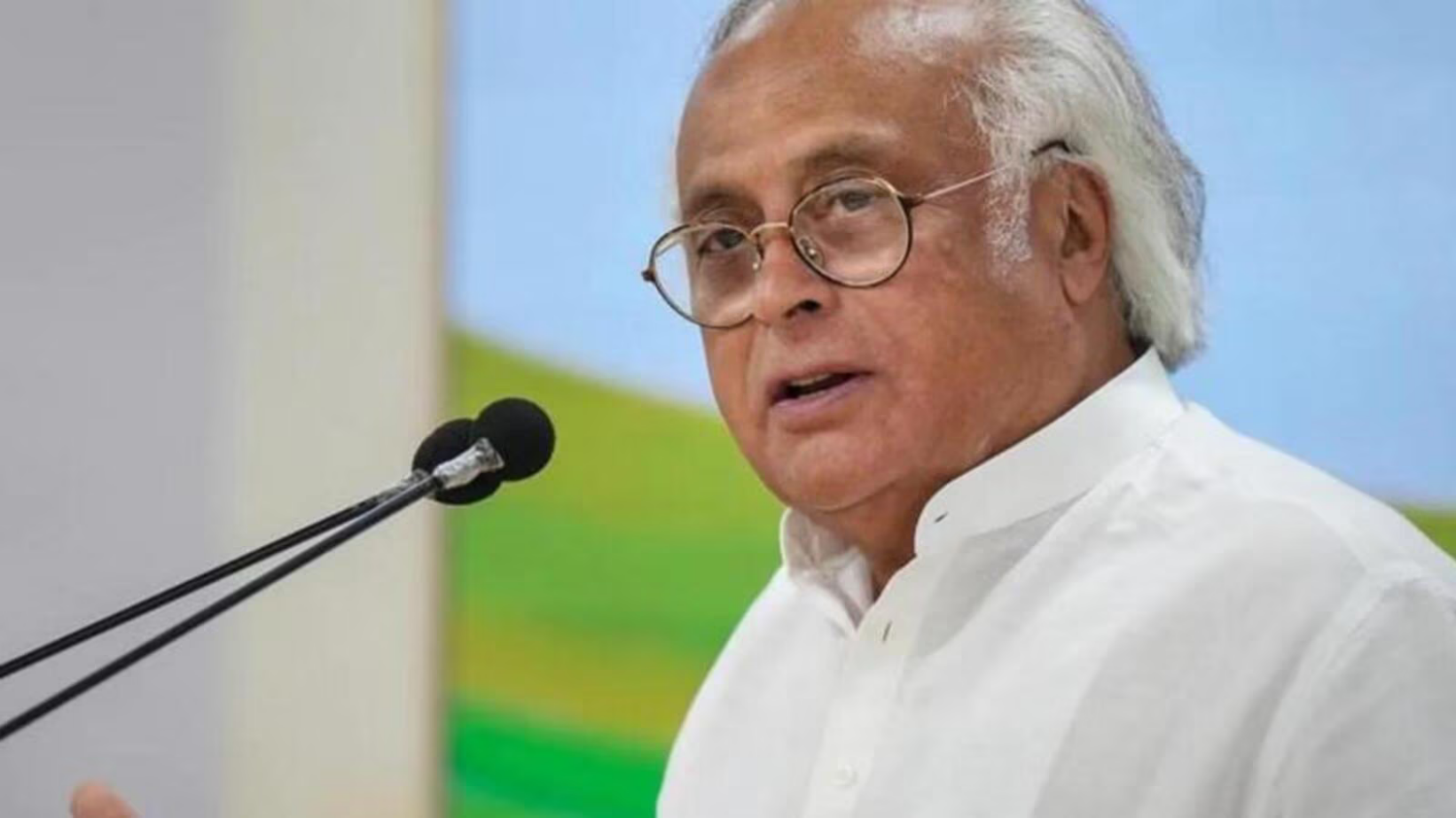
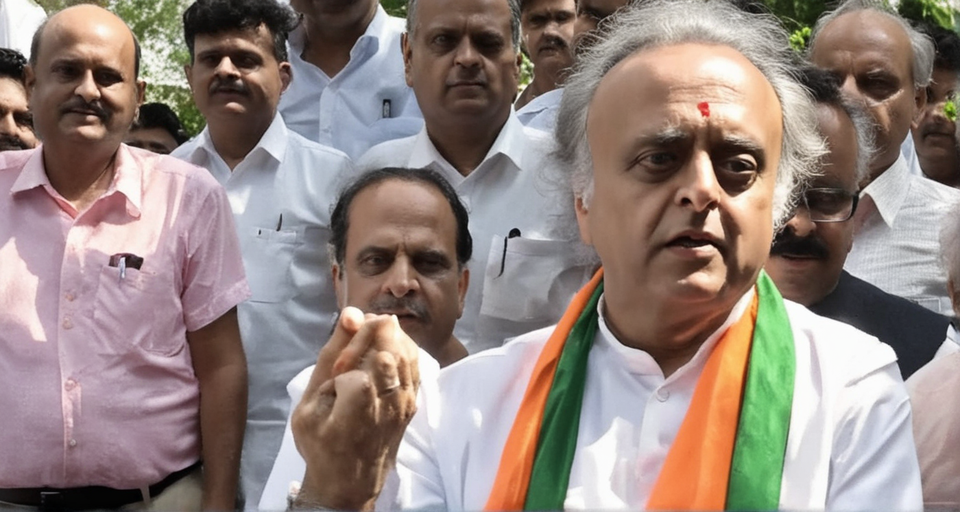
No rift in MVA over Savarkar, says Jairam Ramesh, calls for discussion with ‘unbiased mind’

On Friday, senior Congress leader Jairam Ramesh addressed the divergence of views between his party and the Shiv Sena, led by Uddhav Thackeray, on V D Savarkar. Ramesh emphasized that despite the disagreement, both parties have chosen to “agree to disagree” on the matter, dispelling concerns about potential rifts within the Maha Vikas Aghadi alliance.

In a conversation with Sanjay Raut, Ramesh clarified that the disagreement over Savarkar would not weaken the Maha Vikas Aghadi alliance, which has been in existence for three years. The alliance was formed based on a common minimum program, and Raut assured Ramesh that the issue at hand would not destabilize the alliance.

Thackeray, the former chief minister of Maharashtra, had expressed the Shiv Sena’s disagreement with a statement made by Rahul Gandhi during his Bharat Jodo Yatra. Gandhi had asserted that Savarkar had submitted mercy petitions to the British, contrasting him with freedom fighters like Mahatma Gandhi, Sardar Patel, and Pandit Nehru. Raut had earlier noted that Gandhi’s statement could lead to bitterness within the alliance.

Addressing concerns about threats received by Gandhi due to his comments, Ramesh acknowledged the public response to the yatra had triggered some individuals, leading to the issuance of threats. Ramesh affirmed that there would be no compromise on Rahul Gandhi’s security, given the history of violence against his grandmother and father.

Responding to threats from the Maharashtra Navnirman Sena (MNS), Ashok Chavan, a Congress leader and former chief minister, downplayed them as “small threats.” Chavan highlighted the significant support Gandhi’s yatra had garnered, indicating that such minor threats were inconsequential.

Ramesh, who holds the position of Congress general secretary in charge of communications, acknowledged that they were aware of potential actions such as tearing down posters, as witnessed in Karnataka. However, he emphasized that the overwhelming turnout for the yatra was a clear response from the people.

Ramesh concluded by stating that certain historical facts, such as the positions taken by Savarkar, Muhammad Ali Jinnah, the RSS opposing the Quit India movement in 1942, and Shyama Prasad Mukherjee advocating the partition of Bengal, were immutable. He stressed the need for discussing such historical nuances with an unbiased mind, discouraging reliance on social media and WhatsApp for these conversations.